This article was produced with AI assistance. Editorial standards apply — see our About editorial process.
Advanced AI rotoscoping vs the overview
Start with our AI rotoscoping overview for definitions and beginner context. This article focuses on techniques artists use when a single auto-mask is not enough for feature or commercial delivery.
Spline propagation assistants
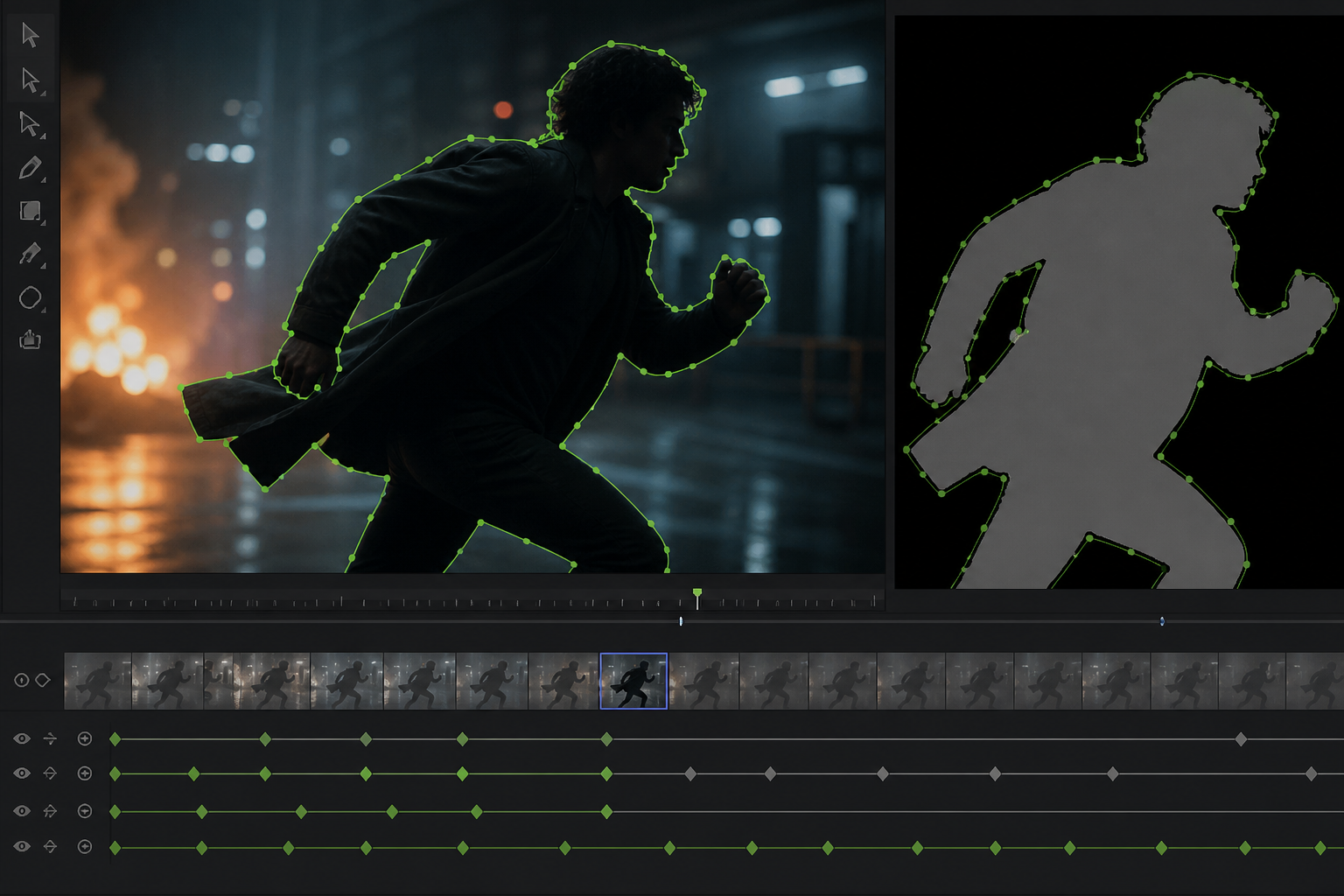
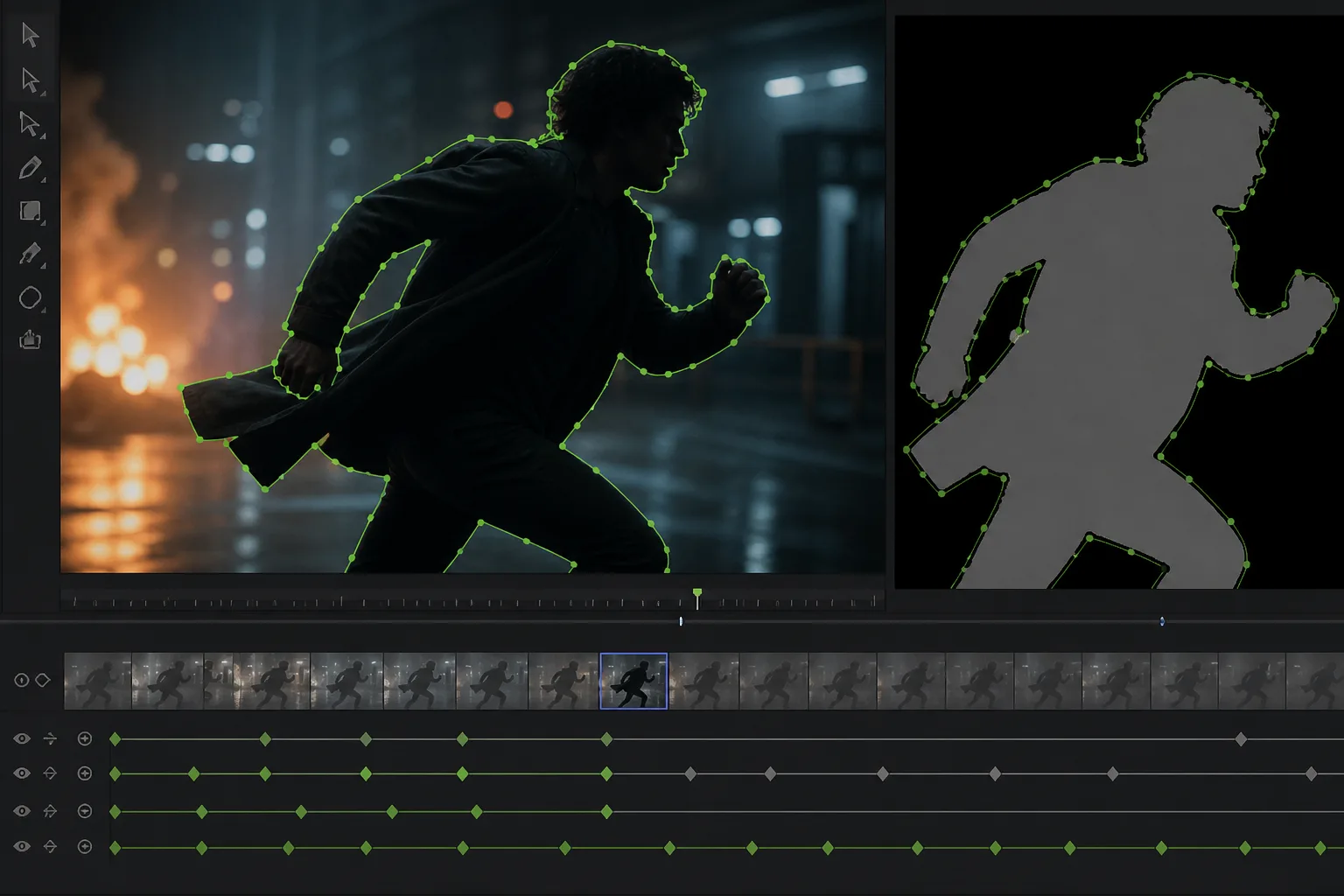
Foundry’s SmartRoto documentation describes an AI assistant that propagates artist-drawn shapes across a sequence from a small set of keyframes—keeping editable splines rather than forcing a full restart from a raster mask. That distinction matters: many “AI roto” demos produce pixel mattes; VFX pipelines often still need subpixel-editable shapes. Pair this with the AI rotoscoping overview when you need tool-level orientation.
SAM2, matting, and hybrid stacks
Open tooling increasingly chains detection, segmentation, and video matting. Meta’s SAM 2 research page describes promptable image and video segmentation—an assist for isolation, not a replacement for scene construction. That is a different job from building CGI assets; see CGI vs AI for the pipeline split. Artists still refine edges, motion blur, and holdout mattes before delivery.
Quality control habits that prevent rework
- Lock hero frames before long propagations
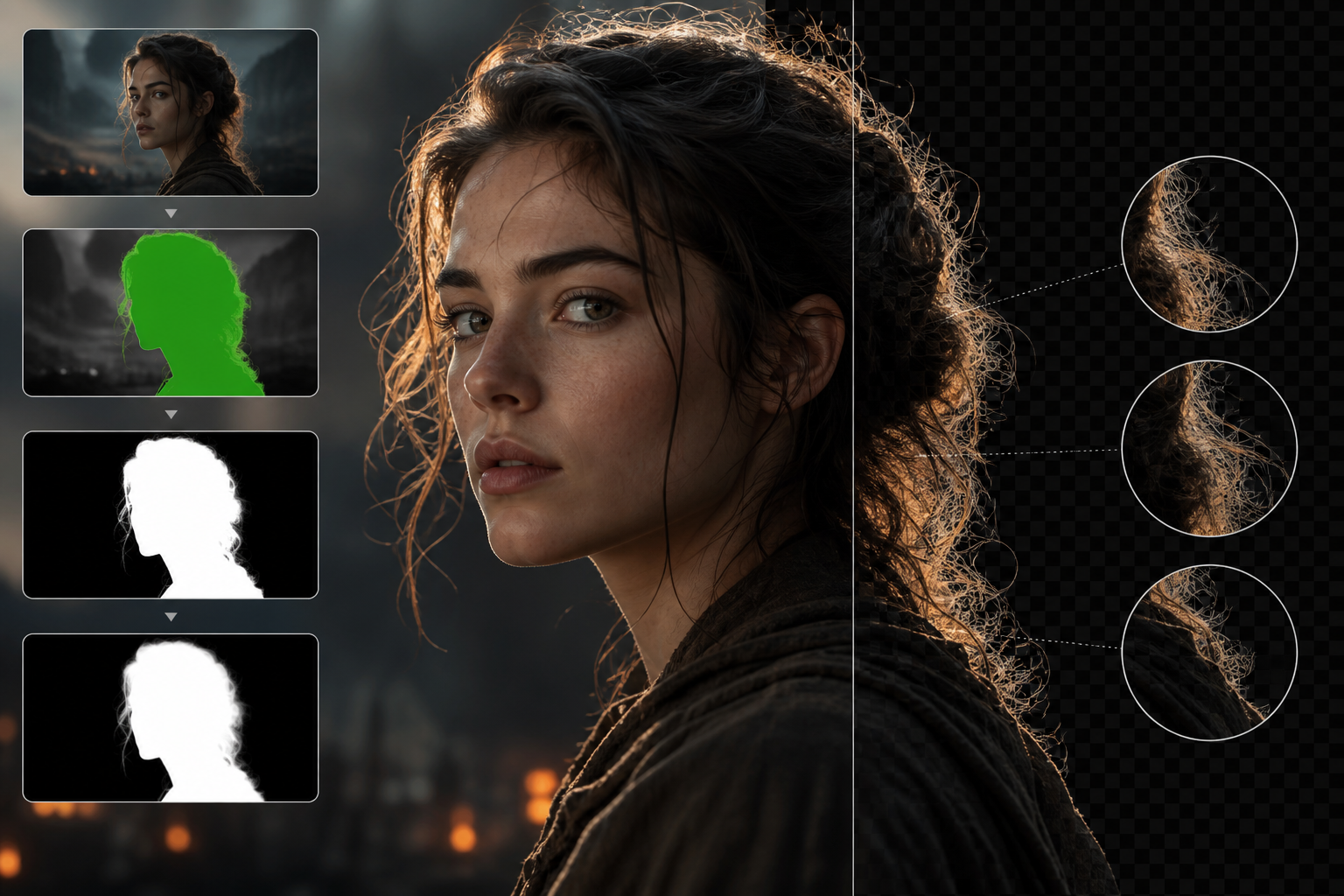
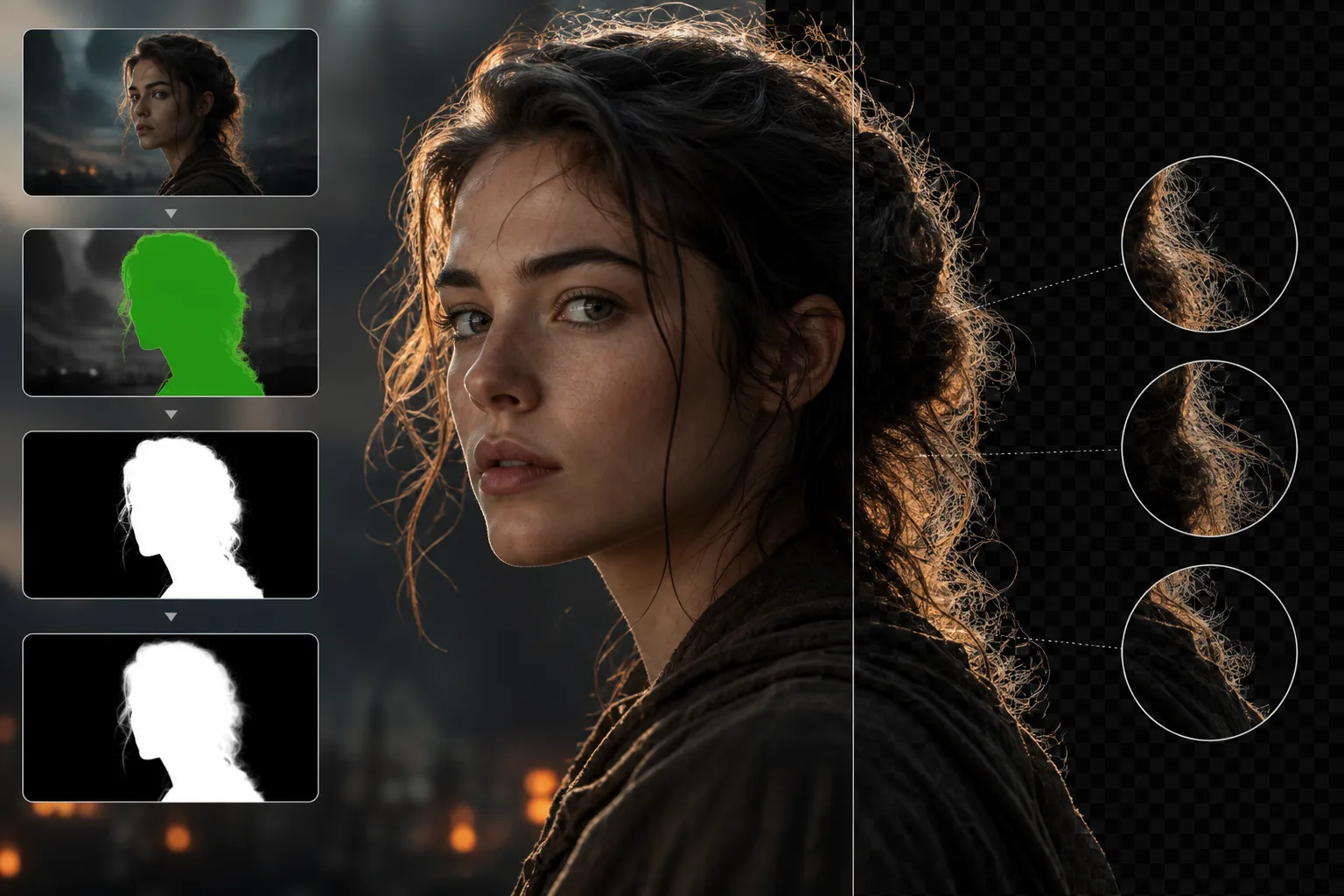
- Separate articulated parts (hair, fingers, fabric) into manageable shapes
- Compare AI keys against motion; thin dense keys where interpolation holds
- Always review semi-transparent edges under real plates, not only black backgrounds
Related culture video reading: CGI vs AI and the video cluster hub.
FAQ
Is advanced AI rotoscoping fully automatic?
No. Leading professional tools emphasize acceleration of keyframing and propagation while artists retain control of shape design and finals.
Are SAM masks enough for delivery?
Often not alone. They are strong starting points; commercial work typically needs edge refinement, tracking integration, and compositor review.
Do professionals still draw shapes manually?
Yes. Many production tools expect artists to define key shapes, then use AI to propagate and refine across frames.
Sources
More in AI culture.