This article was produced with AI assistance. Editorial standards apply — see our About editorial process.
Key takeaways
- Text-to-video invents the scene. Image-to-video animates a picture you already trust.
- OpenAI’s Videos API accepts an optional input_reference so an image can guide the first frame. Google Cloud documents the same first-frame pattern for Veo.
- OpenAI lists a 24 September 2026 shutdown for Sora 2 / Videos API. Duration on Veo 3 is 4, 6, or 8 seconds in the Cloud docs.
The starting-point split
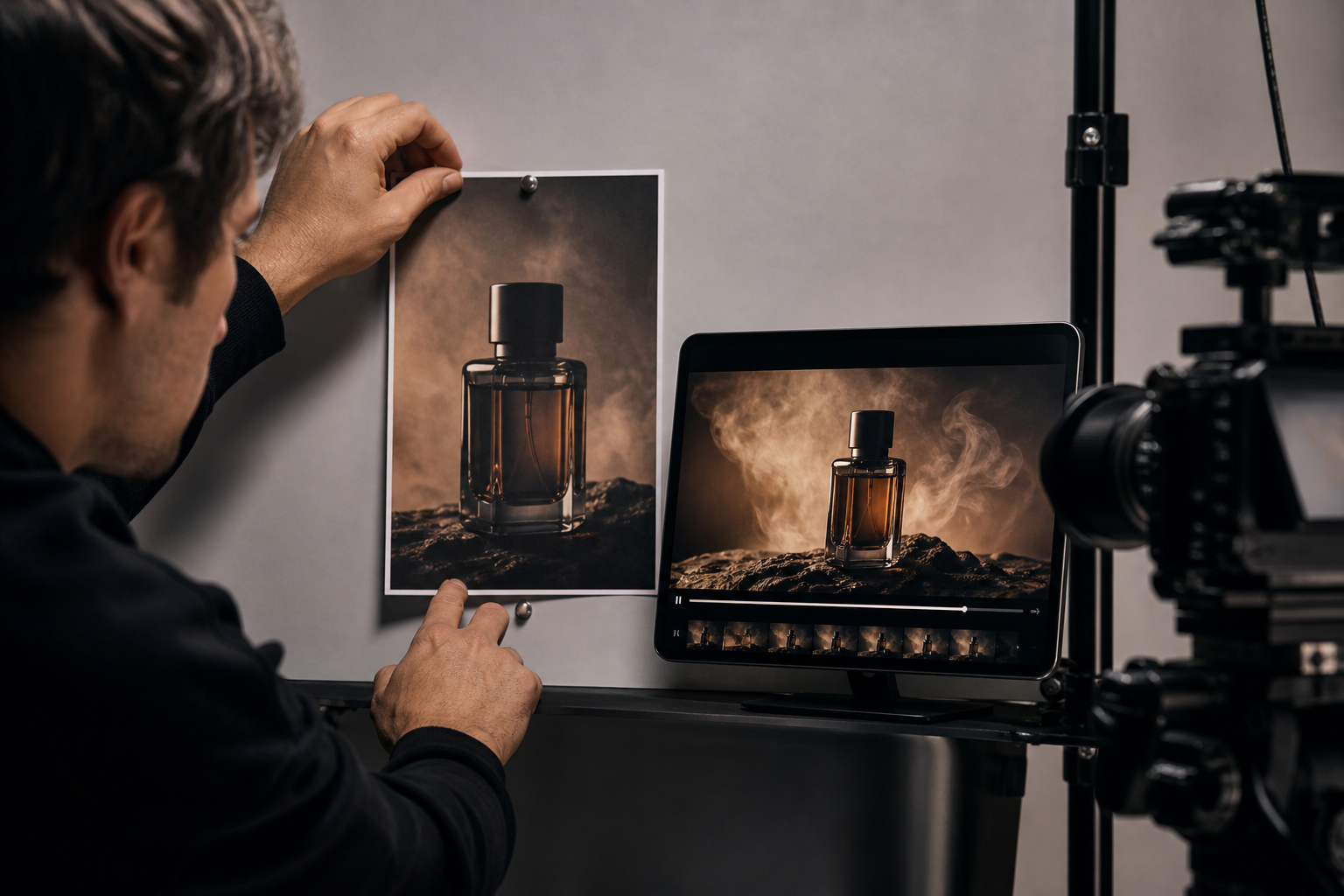
Text-to-video vs image-to-video is a starting-point split, not two mystery engines: a text prompt must invent the first frame and the motion together; an uploaded still locks that frame so the model mostly predicts what moves next.
OpenAI’s Sora video-generation guide says you call the videos endpoint with a prompt, and you may attach input_reference (file_id or image_url) when you need the opening look of a brand asset or character. That is the official name for image-conditioned generation on that API. Hybrid VFX questions belong with CGI versus AI, not with this mode switch.
Why a first frame matters
Google Cloud’s Veo/Gemini Omni doc is blunt: you generate novel video using an existing image as the first frame, with or without extra text. Veo 2 clips run 5–8 seconds (default 8). Veo 3 clips are 4, 6, or 8 seconds (default 8). Veo 3 lists 720p and 1080p; 4k is called out for Veo 3.1 Preview. A seed parameter is there if you need repeatable tries.
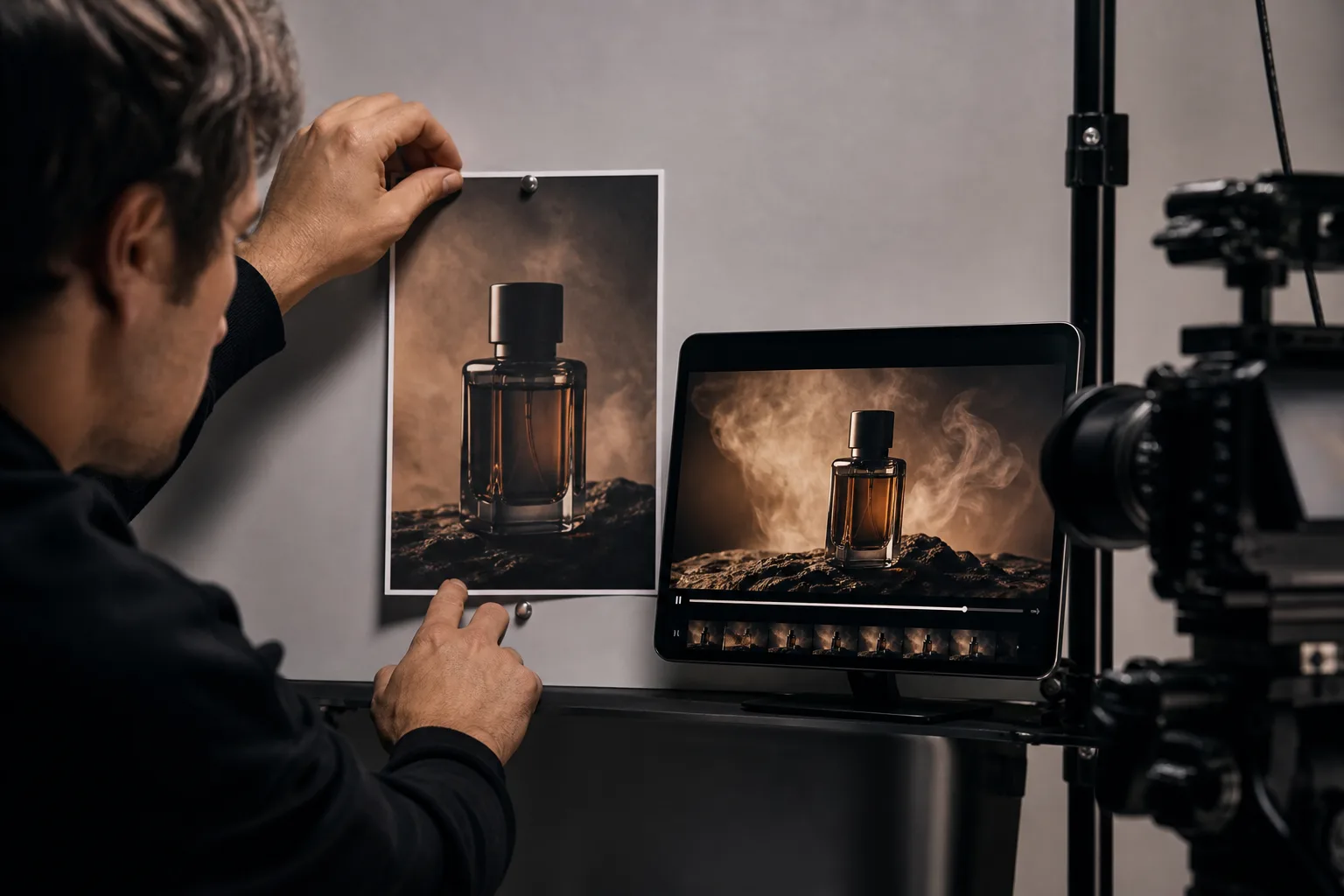
Text-only generation still wins when the shot does not exist yet—no set, no packshot, no actor. Expect more retries. Performance myths about “the model acted it live” are collected in human versus AI video myths.
Length, shutdown dates, hybrid workflows
- Plan clip length from vendor docs, not from a demo reel. Veo 3’s documented menu is 4/6/8 seconds.
- Do not hard-wire OpenAI Sora 2 into a 2027 pipeline: the same OpenAI guide marks Videos API shutdown for 24 September 2026.
- A common production loop is still-then-move: generate or shoot a keyframe, then image-to-video. Rotoscope cleanup, if you need mattes, is a later stage in AI rotoscoping.
Browse the rest of Video, Film & Visual AI and the culture silo when the question shifts from generation mode to finishing.
FAQ
Do I need different models for each mode?
Often no. OpenAI and Google both expose text-only and image-conditioned calls on the same video stacks. The control surface changes; the family name may not.
Will image-to-video invent a new character?
The Cloud doc’s job is to animate the supplied frame. Prompts can still request motion that fights the still. Keep the prompt about camera and physics, not new props, if consistency is the point.
Is this the same as CGI?
No. CGI builds geometry. These APIs predict pixels. Hybrid pipelines exist; they are a different article.