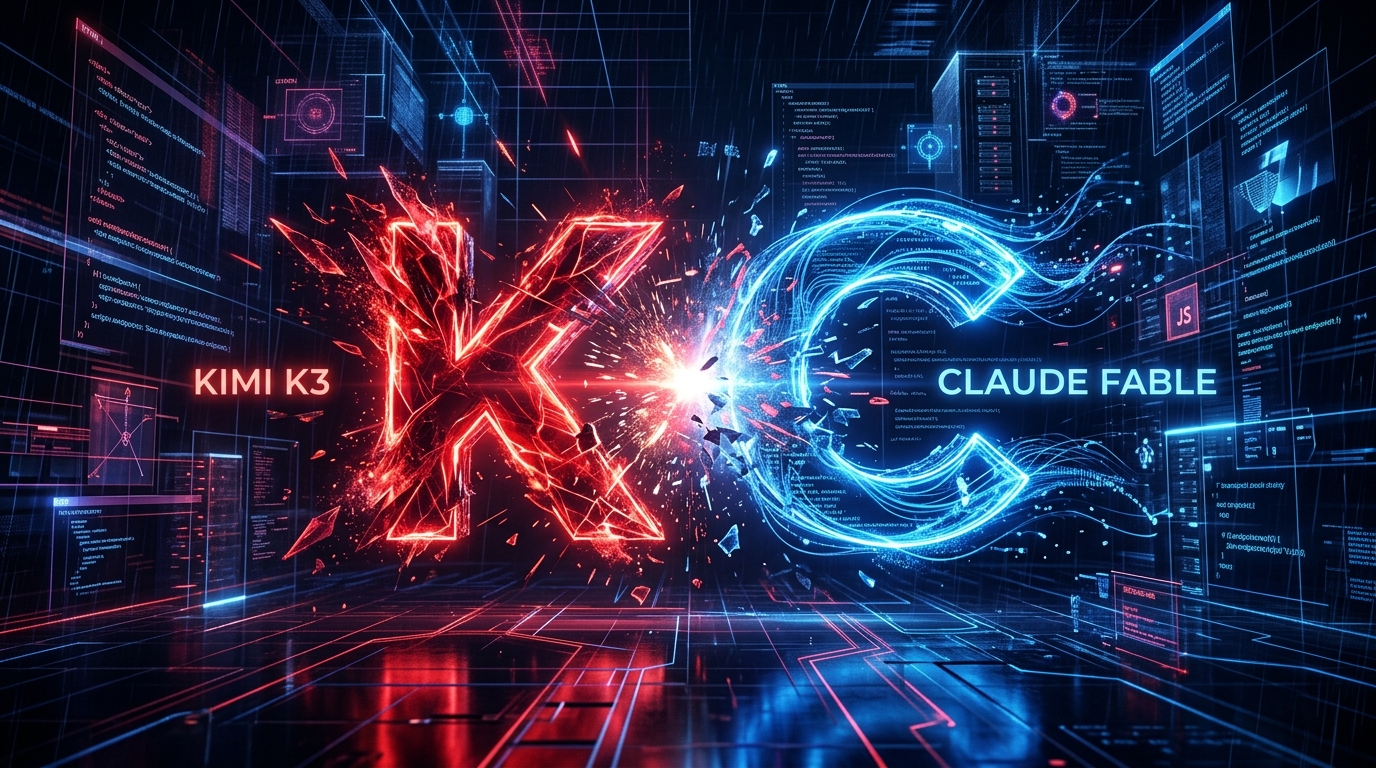
For the last year, my SEO and development agency relied almost exclusively on Anthropic's Claude. It was the undisputed king of complex reasoning. But after the July 2026 releases, I abruptly canceled my Anthropic enterprise subscription. Here is the ultimate, data-backed guide on why my agency migrated entirely to Moonshot Kimi K3.0.
1. The 16/896 Sparse MoE Advantage
Both models boast massive reasoning capabilities, but their core architectures handle computation completely differently. Claude Fable 5 is a "Mythos-class" frontier model. It is incredibly dense, meaning it requires staggering server power to process long logic chains, which inherently causes latency.
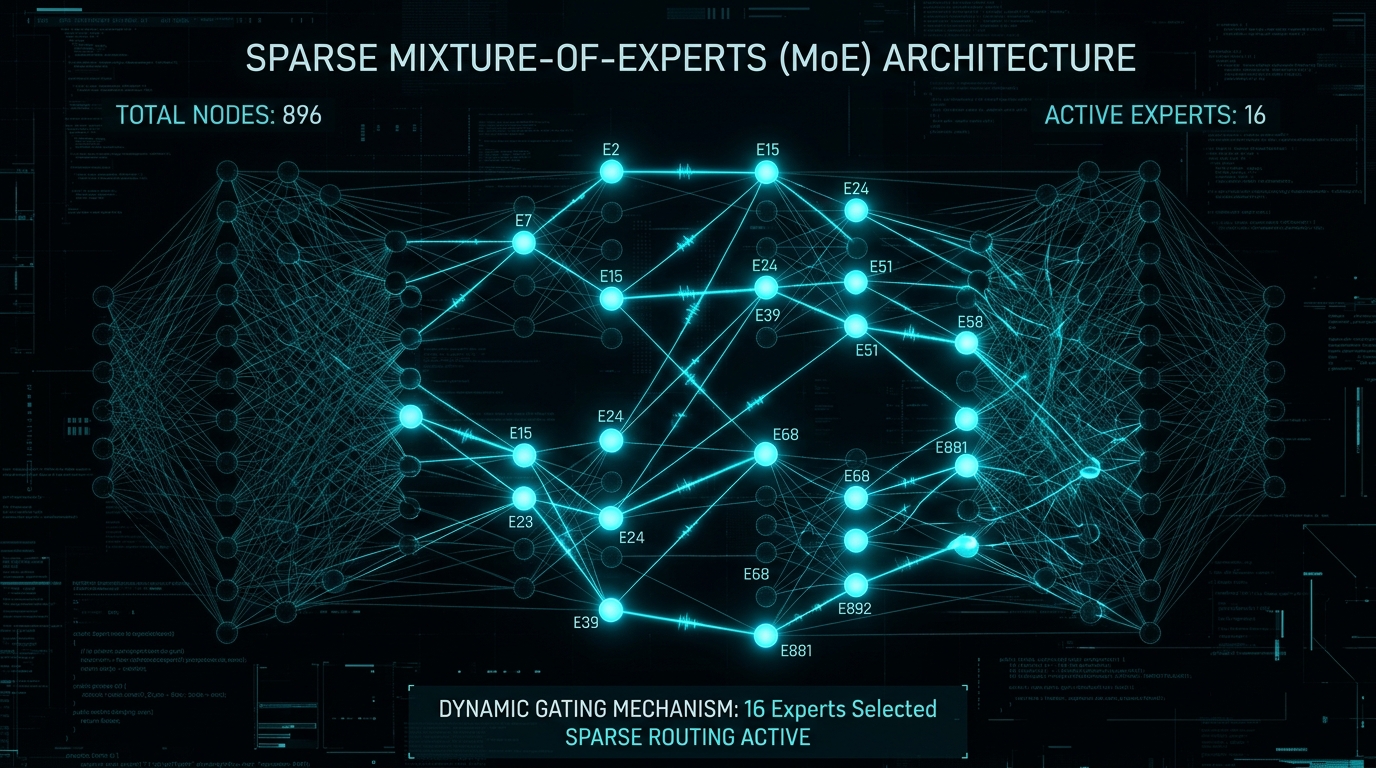
Kimi K3.0, on the other hand, operates on a massive 2.8 Trillion parameter Sparse Mixture-of-Experts (MoE) architecture. Here is the mathematical magic: while Kimi possesses 896 total experts to store its vast knowledge base, during any single inference step, it only activates exactly 16 experts per token.
This decoupling of capacity from compute means you get the reasoning depth of a nearly 3-trillion-parameter titan, but the lightning-fast compilation speed of a nimble 50B parameter model.
2. Kimi Delta Attention (KDA) Eliminates Degradation
Both Anthropic and Moonshot advertise a 1-million-token context window. But if you have ever fed Claude Fable an entire Github repository, you know it suffers from "context degradation." By hour three of a massive coding sprint, Claude will start hallucinating your database relations or forgetting specific API hooks you defined earlier.
Kimi K3 fixed this by implementing Kimi Delta Attention (KDA). Standard transformers use quadratic attention, which becomes exponentially expensive and "forgetful" as sequences grow. KDA is a hybrid linear attention mechanism that compresses history into a fixed-size, channel-wise gated memory state, interleaved with "global information hubs." Research verifies this provides a 2.5x scaling efficiency boost over the previous generation.
3. Frontend Code Arena Dominance
Don't just take my word for it; look at the math. In the highly respected Artificial Analysis Intelligence Index, Kimi K3 recently took the absolute #1 spot on the Frontend Code Arena leaderboard with a verified score of 1,679, actively surpassing both Claude Fable 5 and GPT-5.6 Sol.
This arena specifically measures visual correctness, component structure, and design intent. While Claude is an incredible generalist for backend enterprise logic, Kimi is mathematically proven to be superior at writing React, Vue, HTML, and Tailwind CSS.
4. Escaping Fable’s Aggressive Safety Classifiers
Anthropic built Claude Fable 5 for Fortune 500 companies. To satisfy corporate risk boards, they integrated extremely heavy safety classifiers that monitor for intent. If you run an agency, this is a nightmare.
If you attempt to write an autonomous web-scraping script for competitive SEO analysis, Claude will frequently trigger a "false positive" and refuse to generate the code, labeling it a "policy violation." Furthermore, Anthropic explicitly notes they can retain flagged inputs and outputs for up to two years. Kimi K3 is an open-weights model without this aggressive red tape, allowing you to build the aggressive scraping and analytical tools your business needs.
5. Zero "Div Soup" (The Ultimate SEO Advantage)
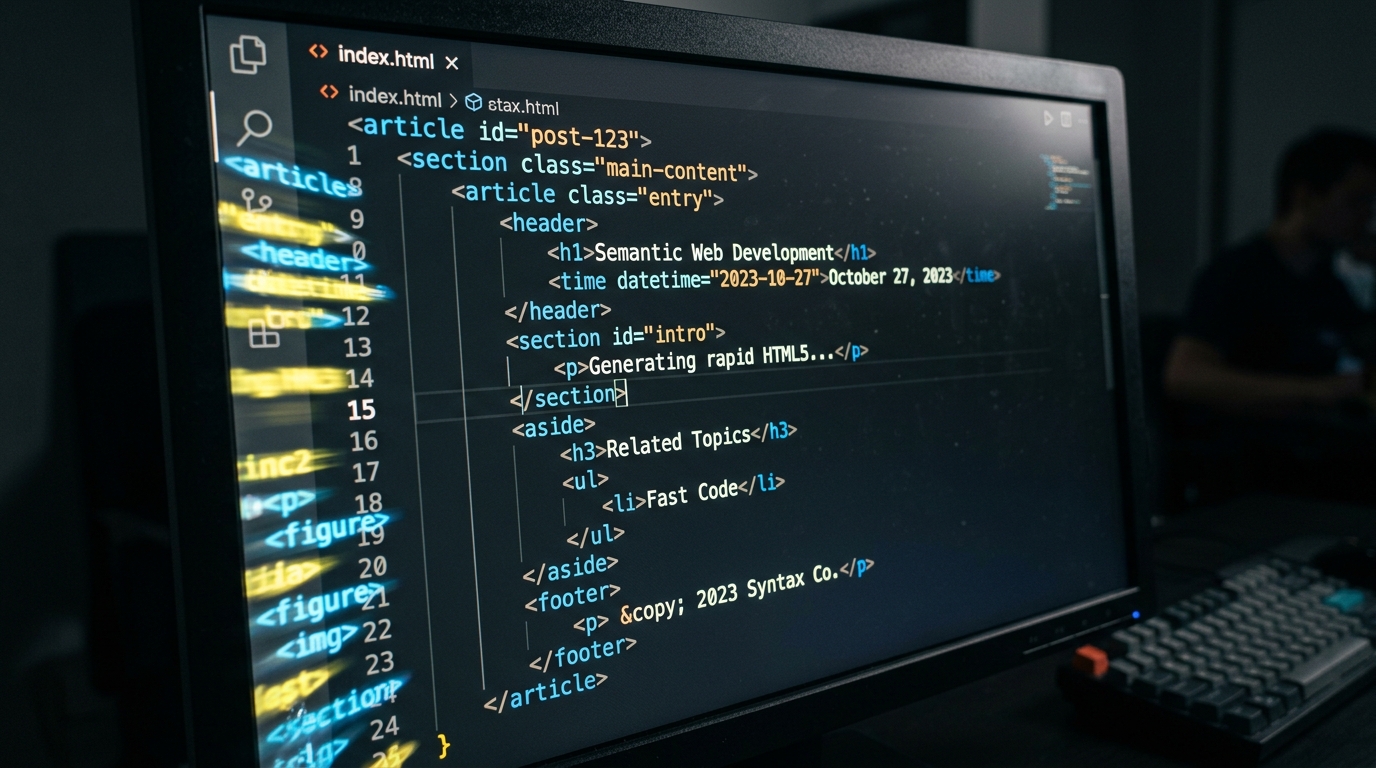
As an SEO agency, the codebase output is just as important as the visual output. Claude Fable frequently generates what developers call "div soup"—messy, bloated HTML wrapped in endless, meaningless `
Because Kimi is trained heavily on frontend correctness, it natively outputs strict Semantic HTML5. It wraps your main content in `<article>`, your sidebars in `<aside>`, and your navigation in `<nav>`. This creates a pristine, machine-readable Document Object Model (DOM).
6. Native Schema.org JSON-LD Injection
You have to painstakingly prompt engineer Claude Fable to remember to add SEO metadata. Kimi K3, on the other hand, natively understands search intent architecture. If you ask it to build a blog layout, it automatically injects `Schema.org` JSON-LD structured data directly into the `<head>` of the React component, natively tagging it as an `Article` or `FAQPage`. This saves our SEO team hours of manual implementation.
7. API Cost Efficiency at Scale
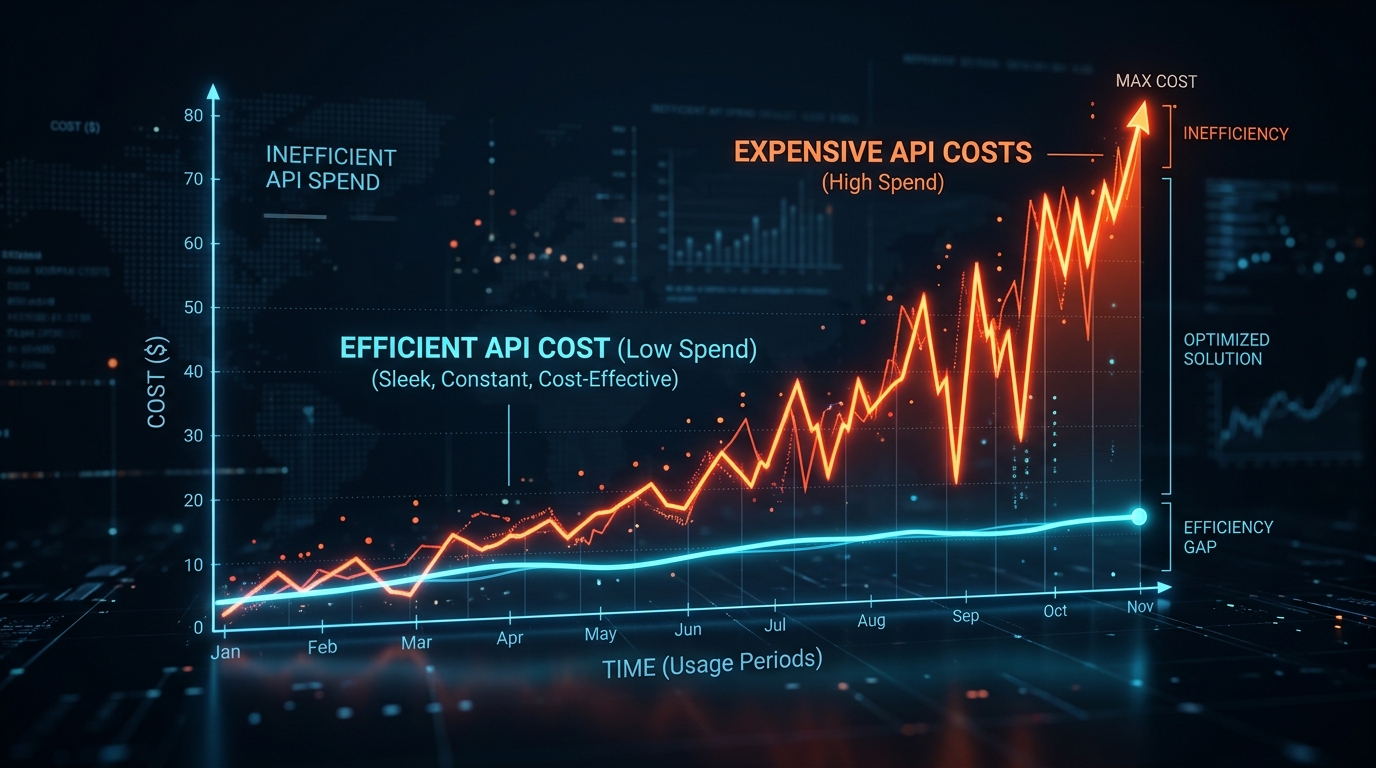
Running a 1-million-token context window on Claude Fable destroys profit margins. If you are building autonomous agents that loop continuously, Anthropic's enterprise pricing will bleed you dry. Moonshot AI has positioned Kimi K3.0 with highly aggressive API pricing that heavily undercuts Anthropic, allowing my agency to run massive, complex agentic loops overnight without worrying about the bill.
8. Seamless Visual Component Translation
Kimi possesses native visual understanding built directly into its multimodal weights. You can upload a complex Figma UI screenshot, and it will translate the padding, typography, and flexbox alignments into pixel-perfect Tailwind CSS. Claude's vision endpoints often struggle with exact padding measurements and color hex translations.
9. Zero Latency on 1-Million Tokens
When you max out Claude Fable's context window, you often experience server queue times or high latency. Because of Kimi's Sparse MoE (activating only 16 experts), it processes massive documentation drops almost instantaneously.

10. Open-Weights Flexibility (Self Hosting)
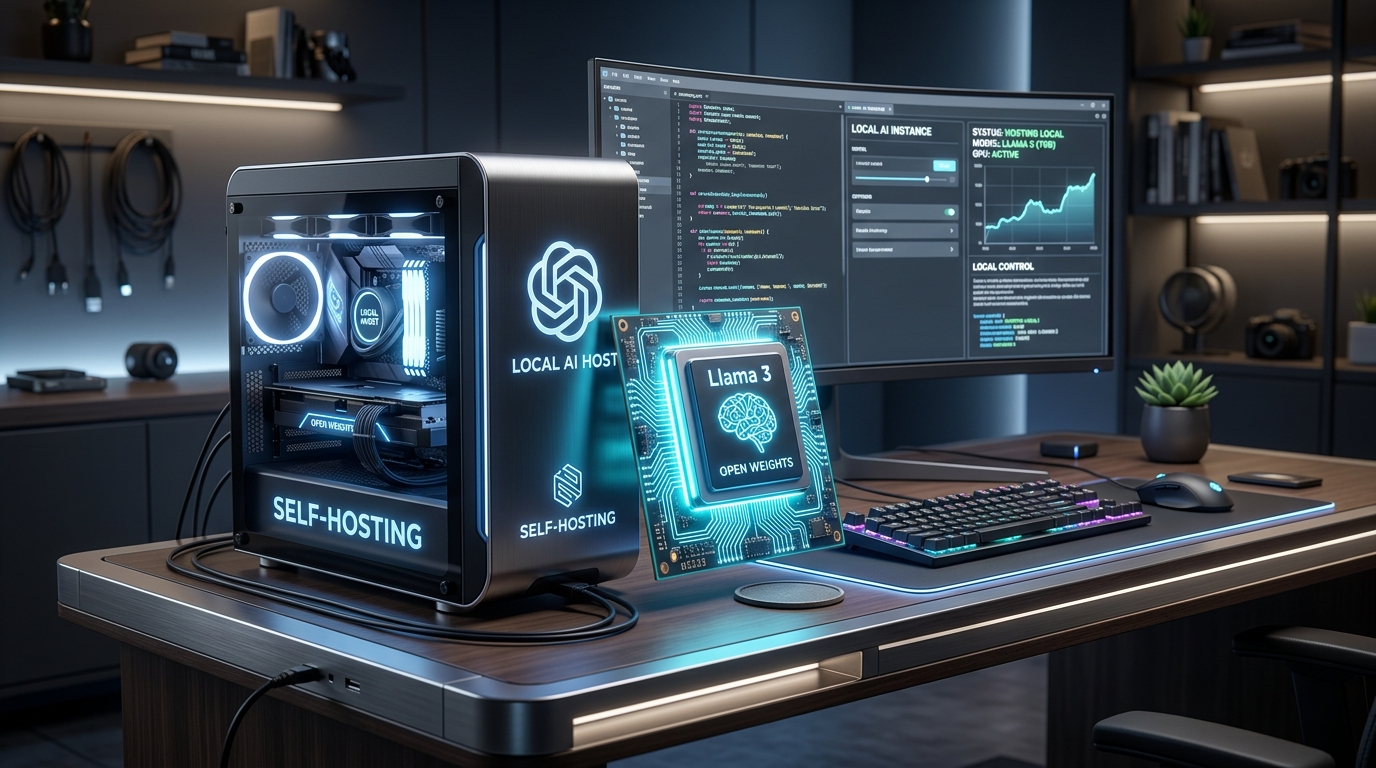
Claude Fable is entirely proprietary and locked behind Anthropic's API walls. Kimi K3 is an Open-Weights model. For enterprise clients with strict data compliance laws (like GDPR in Europe or HIPAA in healthcare), the ability to pull Kimi's weights and host them locally on your own private servers is a massive, non-negotiable advantage that Anthropic simply cannot offer.
11. Flawless Agentic State Management
We build multi-agent workflows where one AI agent writes code, another tests it, and another formats it. Kimi maintains "state" across these conversational loops significantly better than Fable. It rarely loses the plot or loops infinitely during long-horizon software engineering tasks.
12. Stricter Database Architecture
Claude is a brilliant creative writer, but it occasionally hallucinates SQL logic, forgetting to close a table or messing up a relation. Kimi K3 generates significantly stricter PostgreSQL schema architectures with natively correct Foreign Keys and robust Row Level Security (RLS) policies right out of the gate.
13. Native Local File Tree Understanding
When using Kimi in a local IDE environment, it maps and understands local file trees far better than Fable. If you ask it to refactor a header component, it automatically knows which nested dependencies in your `src/components/ui/` folder need to be updated alongside it.
14. Instant Error Boundary Resolution
If Kimi makes a syntax error, it fixes it faster. When you paste a massive, ugly Vercel deployment error log back into Kimi, it utilizes its KDA attention to cross-reference the error against your entire codebase, isolating the bug in seconds. Claude often requires two or three prompts to triangulate the same routing error.
15. Built for Indie Hackers & SEOs
Ultimately, Claude Fable was built for Fortune 500 enterprise migrations. Moonshot built Kimi K3.0 for speed. If you are a solo developer, an indie hacker, or an SEO agency trying to deploy traffic-ready, high-performance assets in 6 hours instead of 3 weeks, Kimi is the ultimate weapon.
Boost me and we both win! 🚀
Stop wrestling with dense AI models and bloated code. Sign up on Kimi today, and we each get a guaranteed benefit — up to 1-Year of Membership Credits.
 Claim Your Free Kimi Boost Now